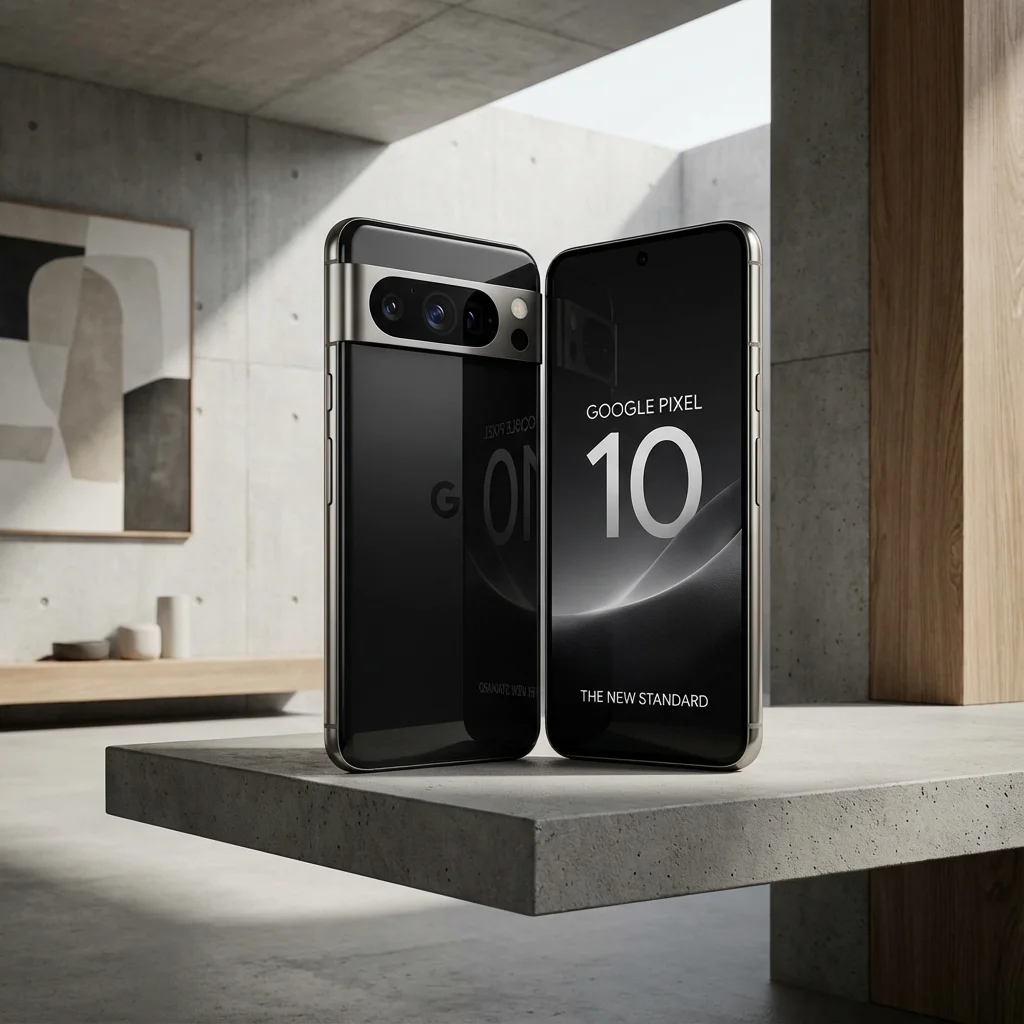
Google unveiled the Pixel 10 series on August 20, 2025, and the headline is the Tensor G5, the first Pixel processor Google designed entirely in house. If you're weighing it against the rest of the cell phone plans and devices we cover, the interesting story isn't the chip. It's what Google moved down to the base model.
The Takeaway: The Pixel 10 is the first year the standard model gets a triple camera, including a real 5x telephoto. That single change is the reason to look at the base model instead of paying up for the Pro. The Tensor G5 is a genuine step forward on paper, but 256GB maximum storage and 29W charging are the two places Google is still behind its competition. Coming from a Pixel 8 or older, this is a clear upgrade. Coming from a Pixel 9, it isn't.
Important Consideration
The numbers below are Google's own published figures from launch. I have not run my own benchmarks on this device, so treat the performance percentages as manufacturer claims rather than independent testing.
Release Date and Availability
Pre-orders opened August 20, 2025, the same day as the announcement, and devices shipped on August 28, 2025.
The lineup has three main variants:
- Pixel 10 (standard model)
- Pixel 10 Pro
- Pixel 10 Pro XL
The Tensor G5 Chip
The Tensor G5 is Google's first fully in-house processor, built by TSMC on a 3nm process. Google's published gains over the previous generation:
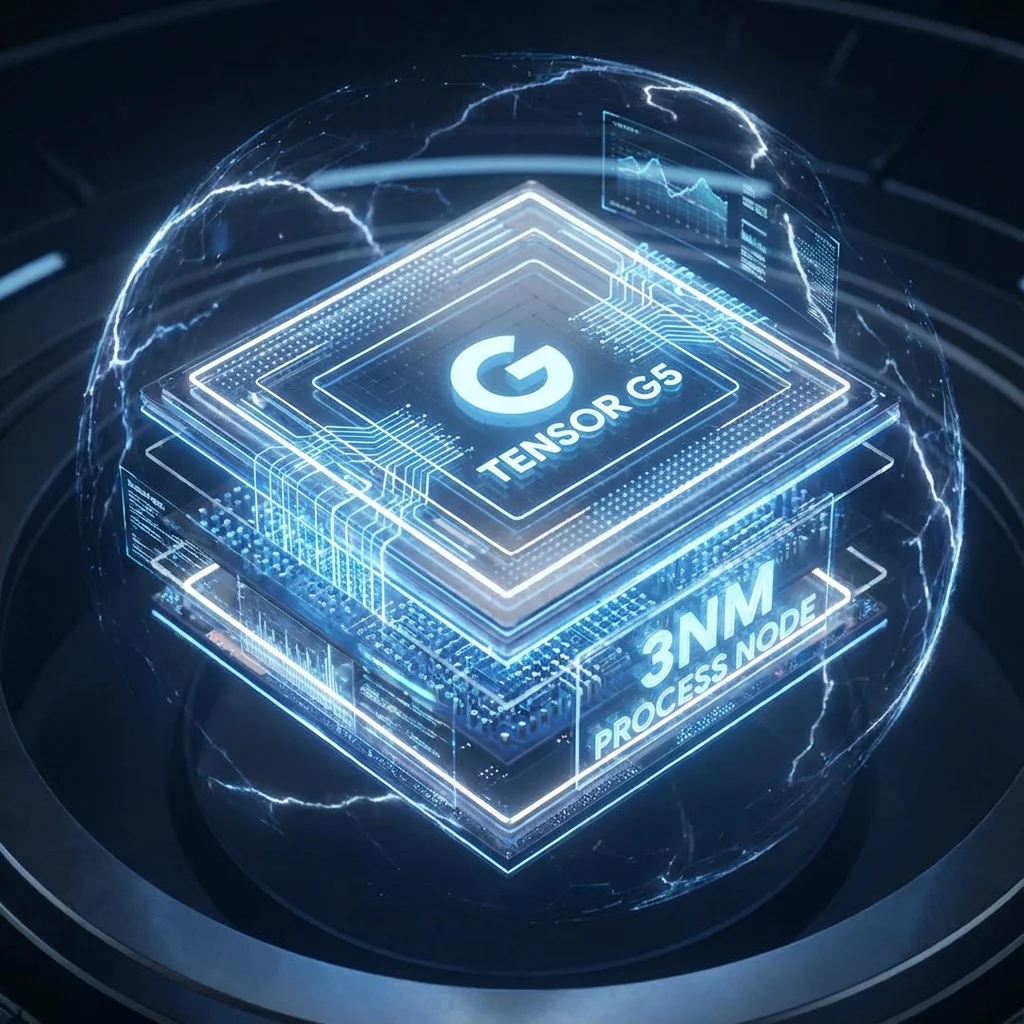
- CPU Performance: 34% faster than the previous generation
- TPU (Tensor Processing Unit): 60% more powerful for AI and machine learning tasks
- Modem: Samsung Exynos 5400
- Cooling: Pro models get vapor chamber cooling for sustained performance
What that 60% TPU figure actually buys you is on-device AI that doesn't round-trip to a server. That matters for the camera processing and the offline features below more than it does for app launch speed, which is where most people expect to feel a chip upgrade and won't.
The move off Samsung's semi-custom silicon is the bigger deal long term. It's the first year Google controls its own roadmap.
Display
The Pixel 10 has a 6.3-inch full-HD+ display:
- Peak Brightness: Up to 3,000 nits
- Protection: Corning Gorilla Glass Victus 2
- PWM Dimming: Improved dimming to reduce eye strain
- Refresh Rate: High refresh rate for smooth scrolling
3,000 nits is the spec worth caring about. It's the difference between reading your screen in direct summer sun and cupping your hand over it. Full-HD+ rather than QHD on a 6.3-inch panel is a reasonable trade, since the pixel density difference is hard to see at normal viewing distance and it helps battery life.
Camera System
For the first time, the base Pixel 10 includes a triple rear camera setup. This is the most consequential change in the lineup.
Rear Camera Configuration:
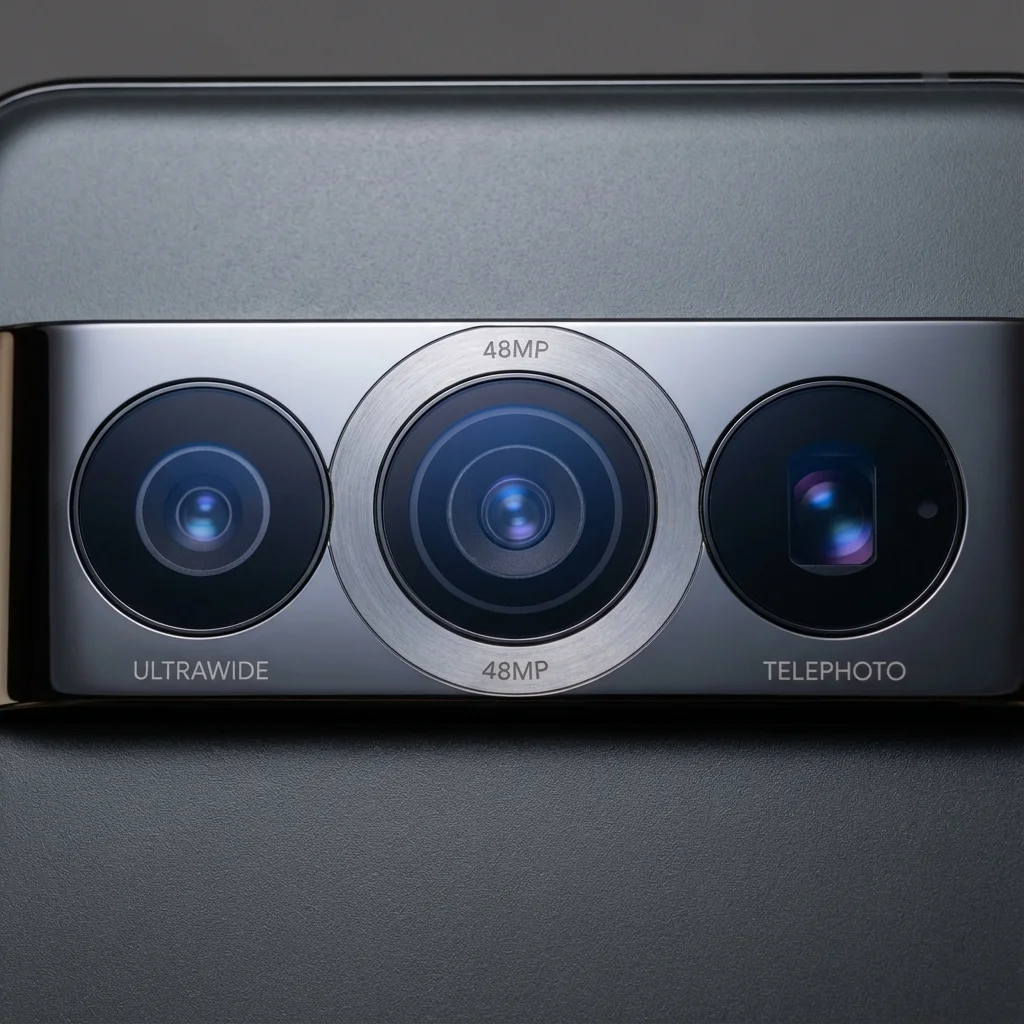
- Main Sensor: 48MP primary camera
- Ultrawide Lens: 13MP for expansive shots
- Telephoto Camera: 10.8MP with 5x optical zoom
Pro and Pro XL Models:
- Main Sensor: 50MP
- Ultrawide: 48MP
- Telephoto: 48MP with up to 100x zoom
Front Camera:
- Selfie Camera: 11MP
The 5x optical telephoto on the base model is the spec to focus on. Optical zoom is real glass, not upscaling, so it holds detail that digital zoom throws away. Previous base Pixels made you crop from the main sensor to fake it.
The Pro's 100x zoom is mostly a marketing number. Past roughly 10x you're looking at heavy computational reconstruction, not photography. The 48MP ultrawide is the more meaningful Pro upgrade.
The camera system uses the Tensor G5 for computational features:
- Advanced night mode
- Real-time HDR+
- Magic Eraser improvements
- Face unblur technology
- Enhanced portrait mode
Battery Life and Charging
Battery Capacity:
- Pixel 10: 4,970mAh battery
- Pixel 10 Pro XL: 5,200mAh battery
- Pixel 10 Pro Fold: 5,015mAh battery
Charging Speeds:
- Pixel 10: 29W wired fast charging
- Pixel 10 Pro XL: 39W wired fast charging
- Wireless Charging: Qi2 support, marketed as "Pixelsnap wireless charging"
Battery capacity is competitive. Charging speed is not. 29W is slow next to what you'll find on comparable Android phones, several of which are well past 60W. In practice that's the difference between a meaningful top-up over a coffee and needing to plan around an overnight charge.
Qi2 support is the quiet win here, since it means standard magnetic accessories finally work without a case adapter.
AI Features
The Tensor G5 enables a set of on-device AI capabilities:
- Magic Cue: Context-aware message suggestions
- Video Generative ML: AI-assisted video editing
- Speak-to-Tweak: Voice commands for photo adjustments
- Sketch-to-Image: Turn sketches into detailed images
- AI Notification Summaries: Notification organization
- Enhanced Google Assistant: More contextual responses
Being honest about this category: most people will use one or two of these regularly and forget the rest exists. Magic Cue and the notification summaries are the ones that touch your day every day. Sketch-to-Image is a party trick.
Memory and Storage
- RAM: 12GB across all models
- Storage Options: Up to 256GB
- No expandable storage
256GB as the ceiling is the weakest spec on this phone. Competing flagships offer 512GB and 1TB tiers. If you shoot a lot of video, especially at high frame rates, you will run into this wall, and there's no SD card to bail you out.
Additional Features
Audio:
- Improved stereo speakers
- Enhanced spatial audio support
Security:
- Faster under-display fingerprint sensor
- Face unlock
- Titan M2 security chip
Software:
- Ships with Android 16, including AI notification summaries, custom icon shapes, themed icons, expanded dark theme, and privacy dashboard improvements
Should You Upgrade?
- From a Pixel 8 or older: Yes. The Tensor G5, the camera, and the battery together make a real difference.
- From a Pixel 9: No. The gains are incremental, and the triple camera is the only change you'd notice day to day.
- From another Android phone: Worth it if you specifically want clean Android and long update support. Seven years of software updates is the strongest argument Google makes.
- Skip it if: you need more than 256GB of storage, or fast wired charging is important to how you use a phone.
Compare Your Plan Before You Buy
Carrier trade-in offers often move the effective price more than the sticker price does. It's worth checking what your plan is costing you first.
Final Thoughts
The Tensor G5 is a real milestone for Google, but it isn't why you'd buy this phone. The reason is that a 5x optical telephoto now comes on the model that doesn't cost Pro money, which makes the base Pixel 10 the better value in the lineup for most people.
The limitations are honest ones. Storage tops out low, wired charging is behind, and the AI feature list is longer than the number of features you'll actually use. None of those are dealbreakers unless one of them is specifically your dealbreaker, and if it is, you already know which.